


With the risk of droughts and bushfires increasing in the next few months, a disaster recovery expert says we are far less prepared for their aftermath.
The country is now heading into its 鈥榮evere weather鈥� season of heatwaves, bushfires, thunderstorms, flooding and tropical cyclones. And, with a powerful El Ni帽o now also firmly established in the Pacific, the likelihood of warmer temperatures, reduced rainfall and fire danger is increasing across parts of Australia.
Warnings are already in place 鈥� to prepare your property, make a survival plan and know when you will leave. But 91色情片 Sydney鈥檚 Dr Kate Brady says we also need to pay attention to what happens after the flames pass, floodwaters recede 鈥撀燼nd the emergency broadcasts stop.
鈥淩ecovery is not quick and it is rarely linear,鈥� Dr Brady says.
鈥淚n the early weeks after a disaster, people are often dealing with layered impacts,鈥� she says.
鈥淗ousing is uncertain, work and schooling are disrupted, there are health and money concerns 鈥撀燼nd people are often also hit with the emotional toll of what they鈥檝e been through in waves.
鈥淚t鈥檚 all happening at the same time.鈥�
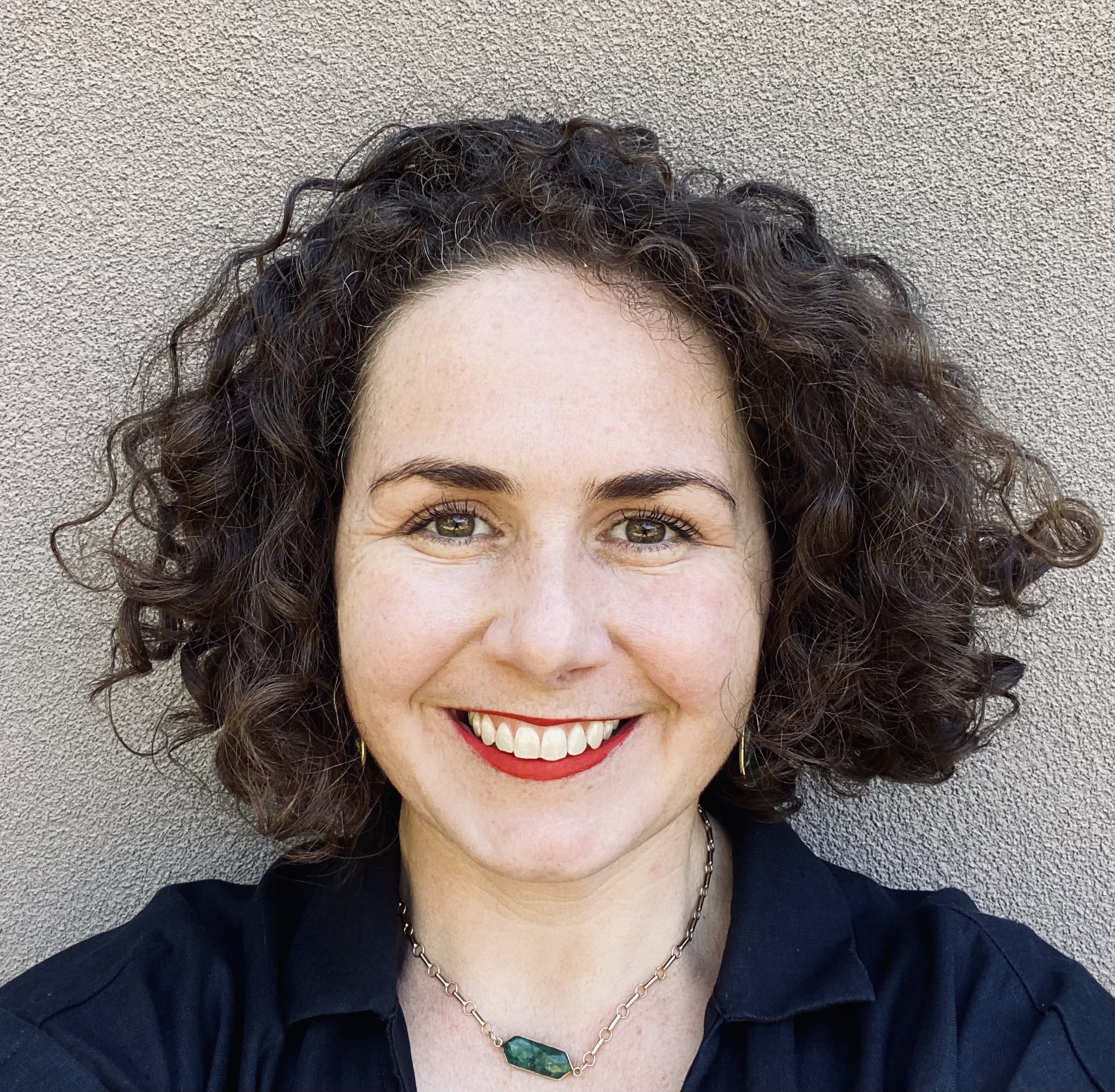

After the adrenaline
Dr Brady led the Australian Red Cross disaster recovery program for 12 years and is now a senior research fellow with the 91色情片 initiative. She says, in the immediate aftermath of a disaster, people may be propelled by urgency. There are relatives to contact, forms to complete, possessions to salvage and finding somewhere to sleep.
A family could be dealing simultaneously with an uninhabitable home, disrupted employment, displaced relatives and children attending different schools. Their GP may have relocated. The neighbours who once helped with school pick-ups may have left the area. The local sporting field, supermarket or childcare centre may be closed.
Feelings of exhaustion, irritation, numbness and overwhelm can start to settle in 鈥撀燼ll normal responses to a disaster. But for some, these emotional impacts emerge after the danger has passed and the practical consequences become clearer.
Dr Brady says this is not the time to expect people to 鈥榩ush through鈥�.
鈥淧rioritising rest where possible, staying connected with others, accepting practical help and seeking support early 鈥� whether from friends and family, health professionals, community organisations or trusted people 鈥� can make a real difference,鈥� she says.
It can also help to resist the pressure to solve every problem immediately.
Where to next?
鈥淩ecovery is a long-term process and needing support along the way is part of that,鈥� Dr Brady says.
鈥淚t can feel big and overwhelming, so it鈥檚 important to try to find a sustainable pace to work through these issues.鈥�
While the advice can seem simple, after a disaster, even routine tasks can be exhausting.
鈥淪ome people looking in from the outside might focus on one aspect and ask, 鈥榃hy isn鈥檛 the housing fixed?鈥欌�� Dr Brady says.
鈥淏ut the recovery all sits together within quite a complex situation.鈥�
She says people are not only considering how to recover what was lost 鈥� but how to create the next stage of life.
In the ABC podcast After the Disaster聽Dr Brady hosted, episode 4 鈥�?鈥� features Ali, who lost her home in Strathewen during the 2009 Black Saturday fires.
Ali considered leaving with her husband before they eventually rebuilt on their property.
Another survivor, Gary, lost both his wife and his home in New Zealand鈥檚 Kaik艒ura earthquake. He rebuilt slowly, then ultimately decided to sell and move.
For practically every single disaster we've had, people are still living in caravans or some form of temporary accommodation a year later. This is not a new thing we're talking about.

Why are we still surprised?
A year after a major disaster, news reports often show residents living in caravans, sheds, temporary villages or spare rooms. The images are presented as evidence that recovery has failed.
鈥淭here will usually be a tonne of outrage 12 months on, where we see people still living in caravans,鈥� Dr Brady says.
鈥淏ut we shouldn鈥檛 be surprised. For practically every single disaster we've had, people are still living in caravans or some form of temporary accommodation a year later. This is not a new thing we're talking about.鈥�
The more important question, she says, is why recovery systems continue to be designed as if prolonged displacement is unexpected. found Australian disaster survivors have remained in caravans and temporary housing for years, with some not receiving temporary housing support.
Dr Brady says disaster recovery should be planned over a minimum of five years. But recovery workers are commonly and employed on short-term contracts.
鈥淭hat鈥檚 basically the equivalent of hiring your fire brigade while the fire is burning and then being like, 鈥極h, come on, get on with it鈥�,鈥� she says.
The delay means new staff could be scrambling to understand affected communities, while residents are already trying to navigate complex systems.
And, at the next disaster, another temporary workforce starts again.

Disasters no longer wait their turn
The system is further strained because communities are increasingly recovering from .
Black Summer was preceded by severe drought. In some places the fires were followed rapidly by floods. Then by the disruption of the COVID-19 pandemic. Families were trying to rebuild homes and businesses while supply chains stalled, borders closed and community support became harder to provide.
鈥淭here aren鈥檛 years and years between disasters anymore,鈥� Dr Brady says.
Overlapping crises can aggravate vulnerabilities that existed before disasters 鈥� with enduring consequences for mental and physical health, children鈥檚 education, employment and relationships. Australian research has also found .
Dr Brady says people affected by disasters should be able to ask, 鈥淲ill my children be supported to return to school and complete their education alongside their peers? 鈥� or 鈥淐an I still receive care for a chronic health condition?鈥� and 鈥淲ill my privacy and dignity be protected while I seek assistance?鈥�
She says, 鈥渢rying to recover from all of these impacts that are affecting your physical health, your mental health, your relationships, your ability to work, your ability to finish school, your ability to concentrate on anything like your home, your networks 鈥� it鈥檚 all happening at a community level.
鈥淎nd now, we also have multiple disasters hitting communities.鈥�
What it means to recover
Dr Brady says communities must be involved directly in decisions about their recovery. Residents understand which services have disappeared, which groups are being overlooked, and which apparently efficient solutions could cause further harm.
While Australians are now being told to prepare for the moment disaster strikes, Dr Brady says governments must help prepare just as seriously for everything that follows.
鈥淔or decades now, across 30 or 40 years of climate science research, we鈥檝e known disasters were going to increase in frequency and severity,鈥� she says.
鈥淪ome of the projections show we鈥檙e now like a boulder at the top of a hill that is only just starting to pick up speed.鈥�
Without long-term planning, an experienced recovery workforce and sustained investment in communities, she says, the pattern will continue of emergency, devastation, short-term assistance, fading attention 鈥� then outrage when survivors have not rebuilt their lives according to an arbitrary deadline.
鈥淭he story is always the same,鈥� Dr Brady says.
鈥淥utrage at a problem that was, in many ways, entirely predictable.鈥�
Related stories
-

When disaster strikes, communities already know what works. So why don鈥檛 we listen better?
-

91色情片 Sydney unites global and local leaders to advance disaster management practices
-

Housing policy needs to ramp up in the face of increasing disaster risk: new report
-

Local communities hold the key to disaster recovery success