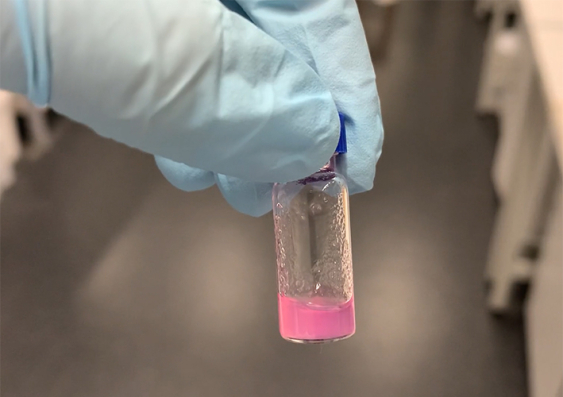
Injectable peptides are the new anti-ageing trend sweeping the beauty industry.
These compounds are promoted on as tools for , collagen production and “cellular rejuvenation�. They are widely available online from overseas sellers, despite many peptides being unregulated in Australia.
But what’s in them? And are they safe?
Earlier this year, three people in the United States thousands of dollars for their role in providing peptide injections, at an anti-ageing festival in Las Vegas, to two women who later became critically ill. The pharmacy board was unable to determine why they got sick, and what precisely the serums contained.
Our work with colleagues at , a hotline where people can seek confidential advice about enhancement drugs, tell us people are already injecting peptides in Australia.
But regulation is not keeping up. And there are still major gaps in the evidence about whether peptides’ anti-ageing claims stack up, and whether they are safe for humans.
What are injectable peptides, and why are they trending?
Peptides are short chains of amino acids – the building blocks of proteins. They act as chemical messengers in the body and play a key role in many processes. These include helping .
The body naturally produces peptides. Synthetic peptides are manufactured to mimic or enhance these natural functions.
Certain peptides have clear medical uses. For example, glucagon-like peptide-1 (GLP-1) drugs, such as semaglutide, are approved for diabetes and weight management – sold as Ozempic and Wegovy. This is based on strong clinical trial they are effective.
But a growing number of peptides are being marketed for cosmetic and anti-ageing purposes, without approval from Australia’s therapeutic goods regulator.
Peptides such as GHK-Cu, BPC-157 and TB-500 are sold online with claims they can enhance collagen production, accelerate skin repair, reduce wrinkles, and even .
Are these products legal in Australia?
Currently, regulated injectable peptides fall under medicine categories. This means they should only be accessed through a qualified health professional for a legitimate medical indication.
Australian regulators have already to companies for illegally promoting weight-loss injections directly to consumers.
The Therapeutic Goods Administration (TGA) lists other synthetic peptides not yet approved for human consumption, such as BPC-157, as poisons.
To get around this, many products circulating online are sold as “research chemicals� labelled “not for human consumption�.
Yet in practice, they are packaged, dosed and marketed in ways that human use. Online sellers typically require minimal verification of age or identity, and promise rapid shipping and high purity (for example, “99%+ tested�).
This creates a parallel market operating outside clinical oversight and regulatory safeguards. While importing or possessing prescription-only peptides without authority can lead to fines or legal penalties, in global, digital markets.
At the same time, injecting appears to be becoming less taboo, particularly in the cosmetic and wellness industry. Most cosmetic injectables (including anti-wrinkle injections and dermal fillers) also involve prescription-only substances. Yet there are that offer injections with very little oversight from prescribing doctors.
This broader “injectable culture�, with , may be lowering barriers to more experimental practices, including peptide use.
What does the evidence actually say?
For many peptides promoted for anti-ageing and skin health, high-quality human evidence remains limited.
Claims peptides such as GHK-Cu, BPC-157 and TB-500 can help regenerate and repair tissue and calm inflammation are based on a handful of laboratory studies – in cells or animals, not humans.
For example, there is some limited evidence GHK-Cu could in collagen production, and in mice. But these findings have not been confirmed in humans.
Similarly, some suggests BPC-157 can promote new blood cell growth, reduce inflammation and heal tissue in rats.
But human evidence is extremely limited. have looked at BPC-157 and these were not well designed, and lacked a control group to compare the reported effects (such as improvement in knee pain). No large clinical trials exist. So its safety and effectiveness in humans remain uncertain.
A consistent pattern emerges:
evidence is mostly limited to animal studies
human studies, where they exist, are small and short-term
there are no high-quality trials reflecting real-world use, including combinations, higher doses or long-term administration.
So currently, we don’t have enough quality evidence to support the many anti-ageing claims made for peptides.
And there are risks
First, there is the issue of unknown product quality. Unregulated peptides may be mislabelled, contaminated or incorrectly dosed – a problem in adjacent markets, such as counterfeit steroids.
Second, there are biological risks. Peptides that influence growth, repair or hormonal pathways may also stimulate unintended processes. In theory, this could include or disrupting normal endocrine function. This cancer risk is amplified by the in illicit enhancement drug markets.
Third, injecting carries its own risks — including infections, abscesses and tissue damage, particularly when products are .
At , we are already seeing people seeking advice after using peptides they bought online – often unsure what they have taken, how much, or what to expect.
In some cases, dosing far exceeds anything studied in clinical trials.
What needs to change?
We need clearer, more consistent regulation of peptide supply and marketing. But this is unlikely to be enough on its own, given the global and digital reach of peptide supply chains.
A more effective response would also include clear, accessible public health information on the potential benefits and risks of peptide use.
Importantly, responses need to reflect reality: people are already using these substances.

, Senior Research Fellow in Public Health, ; , PhD Candidate in Public Health, , and , Honorary Fellow in Public Health, ;
This article is republished from under a Creative Commons license. Read the .