91色情片

COVID-related travel restrictions and the sudden drop in tourism provided an ideal to examine the impact of shifts in the supply of short-term rental accommodation. Our , released today, found even modest reductions in Airbnb listings, as owners switched to longer-term rentals, increased supply of these properties. The result was lower local rents.

The COVID-19 pandemic caused various upheavals, with obvious impacts on health and , as well as a big . The impacts of these changes on rental markets are extremely difficult to track, particularly the impacts on people on the margins of the rental housing system. We investigated these impacts by analysing online listings on common online platforms for share/low-rent housing and short-stay accommodation.


Read more:


Listings data show images, prices and descriptions of rental housing. These data provide an insight into this largely sector of the housing market.

Of particular concern are people who:

  • are living in and/or unsafe rental housing while being required to stay home

  • have precarious tenures that put them at or displacement

  • are living in overcrowded housing with shared facilities that .

What happened to these rentals?

Online the ways in which people search for and advertise housing, so offer unique insights into the market.

We looked at listings of share housing and lower-cost rentals on Flatmates.com.au, Gumtree.com.au and Realestate.com.au between April and May 2020. We also looked at short-stay rentals on Airbnb.

Our primary focus was on Sydney, where Australia鈥檚 rental affordability pressures are .

We found demand for, and supply of, risky rental accommodation in Sydney continued during the pandemic.

In snapshots taken during lockdown restrictions in Sydney in April and May 2020, there were:

  • 402 advertisements for rooms or granny flats on Gumtree.com.au in May

  • 4,731 share accommodation listings on Flatmates.com.au in April

  • 2,923 people seeking accommodation via Flatmates.com.au in April.

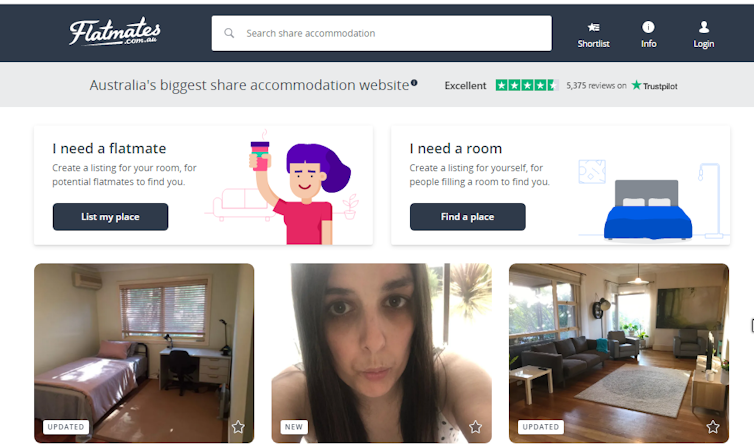
Screenshot from Flatmates website

Demand for and supply of shared accommodation on online platforms like Flatmates continued during the pandemic. Image:聽


Read more:


Which renters are most at risk?

Of additional concern are older people in risky rentals who are more at risk of severe COVID-19 symptoms. More than 6,400 renters over the age of 60 lived in share (鈥済roup鈥�) households in Sydney at the time of the . It was estimated over 4,600 were homeless.

People working in public-facing roles such as healthcare workers, and in food and accommodation services are also at . Many of them live in unsuitable rental housing due to the low-paid and transient nature of their work.

According to the , over 8,400 healthcare and social assistance workers were living in rented group households in Sydney. Over 1,800 were estimated to be homeless. One Flatmates.com listing clearly expressed the difficulties healthcare workers鈥� face when seeking a share rental during the pandemic:

For those who think I might have COVID just because I鈥檓 a nurse, I can assure you that I don鈥檛 have COVID!!! :P (Flatmates 鈥減erson鈥� listing, April 2020)

The difficulties lower-income renters face in Australia鈥檚 major cities reflect a chronic . Pre-pandemic suggested the rise of short-term accommodation platforms such as Airbnb added to these pressures by draining properties from the permanent rental supply.


Read more:


What happened to short-term rental housing?

We looked at Airbnb listings in Sydney and Hobart between March and April 2020. Using data, we found the number of whole homes listed on Airbnb for more than 60 days a year decreased by 22% in Hobart and 14% in Sydney in that time.

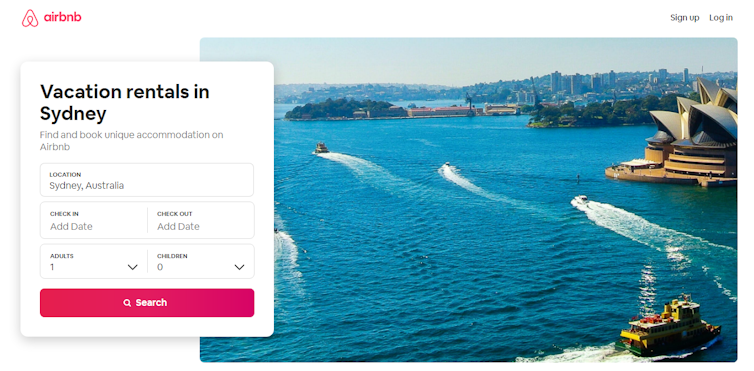
Airbnb home page for Sydney

There were significant falls in home listings on Airbnb in Sydney and Hobart after the pandemic hit. Image:聽

Vacancy rates, rental bonds data and Flatmates.com.au listings suggest these decreases occurred because Airbnb owners .

This translated to better outcomes for local renters. Even modest reductions in Airbnb listings were associated with increased permanent rental supply and lower local rents.

Median rents decreased in the June quarter in nine selected Sydney local government areas (LGAs) and Hobart鈥檚 four main LGAs. Rents fell by 2-9% in both cities.

Hobart was a particularly interesting case study because of its large penetration of Airbnb. The Airbnb market in Hobart City LGA is about 11% of the total private rental market. It experienced a much smaller drop in rental demand than Sydney because of its smaller number of temporary overseas migrants.

The drop in rents was directly proportional to the size of the Airbnb market in each LGA. Hobart City with an Airbnb density of 11% had a decrease in median rents of 9%. Glenorchy with an Airbnb density of 1% had only a 2% decrease in median rents.


Read more:


How to improve life for renters on the margins

Our study contributes to a growing body of evidence on ways to improve the housing circumstances of lower-income renters and people at risk of homelessness.

Government action, such as increased and payments during the pandemic, has helped people to continue to pay rent and avoid resorting to precarious rental situations. However, even with these increases low-income renters rent in unaffordable markets.

Obviously, of would reduce dependence on the precarious and marginal rental market.

Similarly, a permanent increase in income-support payments such as JobSeeker and/or Commonwealth Rent Assistance would enable more households to get adequate housing without extreme financial stress.


Read more:


Higher regulation of the private rental sector would increase security for tenants and improve accommodation standards. We could look to New Zealand鈥檚 鈥溾�� framework for inspiration.

Finally, to preserve permanent housing supply in high-demand markets, states should impose controls on short-term Airbnb-style rentals.

These steps are critical to provide safe and secure accommodation for those on the margins of housing markets as part of Australia鈥檚 post-pandemic recovery.

The Conversation

, Research Associate in Housing Studies, ; , Professor of Urban and Regional Planning, ; , Senior Research Fellow, (Acting) Deputy Director, CHETRE, ; , Director, Henry Halloran Trust, ; , Research Assistant, , and , Associate Professor, Gender and Cultural Studies,

This article is republished from under a Creative Commons license. Read the .